
BuyingInspection3 min read
Buying a used Raptor 700: the checklist we use
Twenty minutes with this list tells you more about a used Raptor than any photo set. Paperwork, cold start, frame, suspension, drivetrain and the test ride.
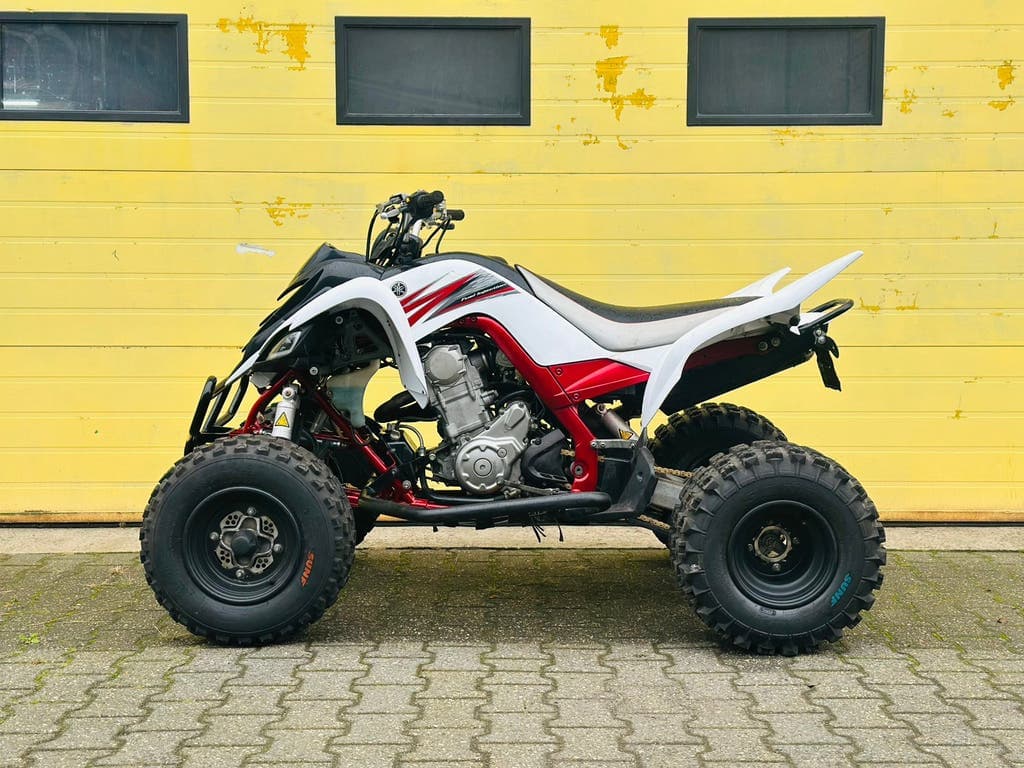
The Raptor 700 has been around since 2006, so the used market has everything from untouched garage queens to quads that have lived hard lives on the dunes. Photos and a polished description only tell you so much. This is the order we go through a machine before we'd put our own money down.
1. Paperwork before anything else
- VIN: make sure the VIN stamped on the frame matches the title or bill of sale exactly.
- Title: check that the title is in the seller's name, or that they have the ownership paperwork your state requires.
- Receipts: ask for receipts for any big work. A rebuilt engine with no paperwork is just a claim.
2. Ask for a cold start
Ask the seller not to start it before you arrive, then put your hand on the engine when you get there. It should be cold.
A healthy, fuel-injected Raptor should fire up without drama and settle into a steady idle. Listen for knocking, ticking that doesn't fade, or a hunting idle. Blue or white smoke that keeps going after warm-up is a reason to walk away or renegotiate.
3. Frame and crash damage
Get low with a torch and look at the welds around the front of the frame, the footpeg mounts and the subframe. Cracks often show up as rust lines in the paint.
Look down the quad from the front and from behind. The wheels should line up, the bars should sit straight when the wheels point forward, and the plastics shouldn't hide fresh brackets or bent mounts.
4. Suspension and steering
- Ball joints and A-arm bushings: grab each front wheel at the top and bottom and rock it. Clunks or free play point to worn ball joints, A-arm bushings or wheel bearings.
- Swingarm and rear axle bearings: rock the rear end side to side. Movement there usually means worn swingarm or carrier bearings.
- Shocks: check the shock bodies for oil. A damp shock needs a rebuild.
5. Chain, sprockets and rear axle
Hooked or sharp sprocket teeth and a chain with tight spots both mean a drive kit is due.
Lift the rear and spin the axle. A wobble in the wheels or the sprocket points to a bent axle, which is common after hard landings.
6. Clutch and gearbox
On the test ride, roll on the throttle in a high gear. If the revs climb faster than the speed, the clutch is slipping. Run through every gear, including reverse. Shifts should be clean, without jumping out of gear.
7. Cooling and intake
Check the coolant level and look for dried coolant around the hoses and radiator. Then open the airbox.
A clean, oiled filter is a good sign. Dust behind the filter, on the intake side, is a red flag: it means dirt has been getting into the engine.
8. Electrics and lights
Lights, the starter and the display should all work, along with the brake light and any accessories the seller has added.
9. Modifications
Aftermarket exhausts, air filters and fuel controllers are common and fine, as long as they were set up properly. Ask what fuel mapping was done after the upgrades.
A loud exhaust on an engine that pops and stumbles usually means nobody adjusted the fueling.
10. The test ride
Ride it through every gear and brake hard in a straight line. It shouldn't pull to one side. Listen for clunks over bumps, and let it idle for a few minutes at the end to make sure the fan kicks in.
Want a second opinion? Browse the quads available from us, or send us the details of a machine you're considering and our team will talk it through with you.
Questions about your Raptor?
Parts, fitment or a full build — send us your model and year and we'll point you the right way.
More garage notes
Upgrades2 min read
The first five upgrades worth doing on a Raptor 700
Before chasing horsepower, spend on the parts that protect the machine and fit it to you. Here's the order we recommend — and why.
Maintenance2 min read
Post-ride care: 15 minutes that keep a Raptor running
Most expensive repairs start as something you could have spotted in the driveway. A simple routine for after every ride.